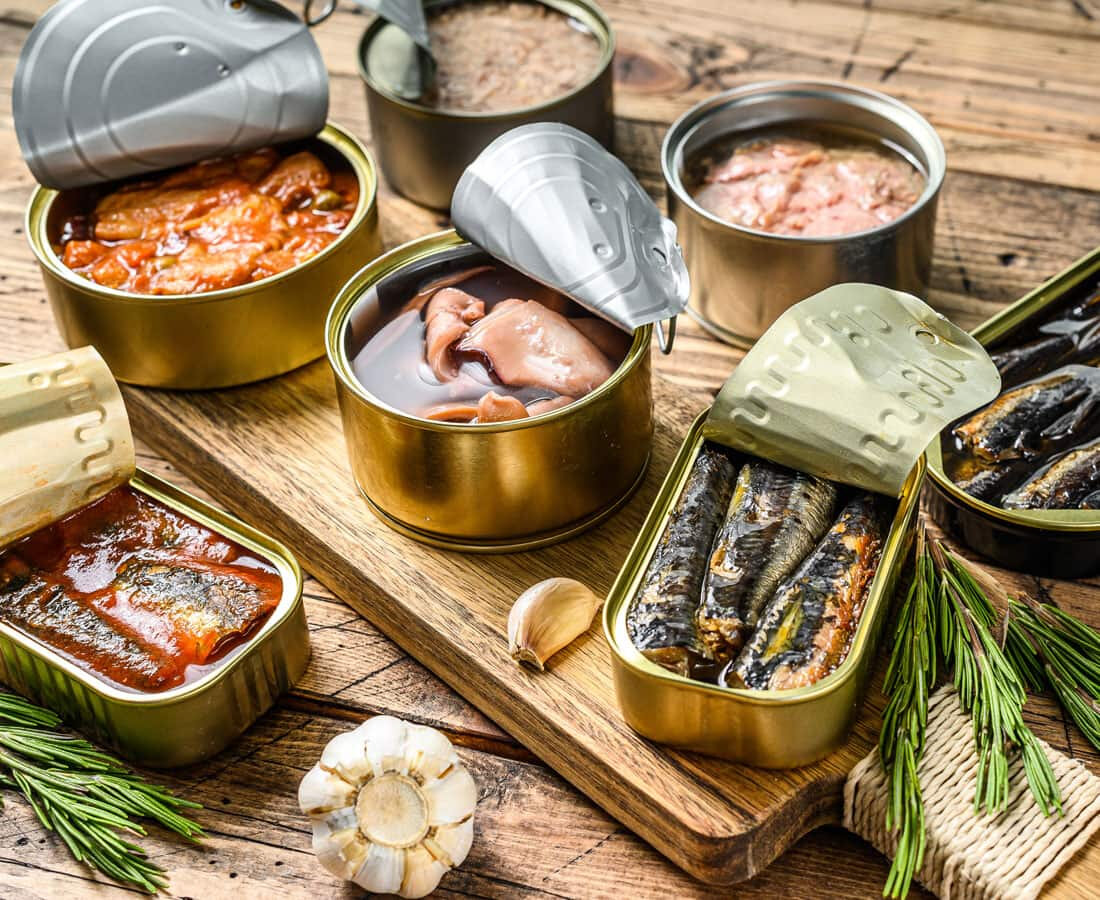
If you have actively scrolled through Instagram and TikTok, or paid attention to grocery store displays over the past few months, an essential pantry ingredient has now hit centre stage: canned fish and seafood.
Canned fish and seafood was regarded as a budget, utilitarian and convenient household staple for years until around 2023, when tags such as #TinnedFish, #CannedFish, #TinnedFishDateNight, and #SeafoodBoard began picking up steam on TikTok. Gen Z and Millennials are now searching for a variety of canned seafoods, whether that is tasting them on their own or adding them to a complimentary spread.
Although this trend has widely spread across the world, in the Mediterranean, conservas—preserved seafood and fish in tins—have been an integral part of people's daily cuisine for decades. So why are these products becoming popular once again?
Why Is "Tinned Fish" Trending?
Canned seafood does not have the best reputation in North America - for many years it was cast as a wartime ration and given away as a Food Bank donation. Given today's food prices, it's not surprising to see canned fish re-emerging as an affordable protein-packed option for Millennials and Generation Z.
- Social Gatherings: one new trend is the "Seacuterie" or seafood charcuterie board - exactly like a traditional charcuterie board that substitutes cured meat for canned seafood. It's also now common to gift canned seafood - especially luxury brands, unique flavours, and rare varieties (i.e. octopus, razor clams, eels).
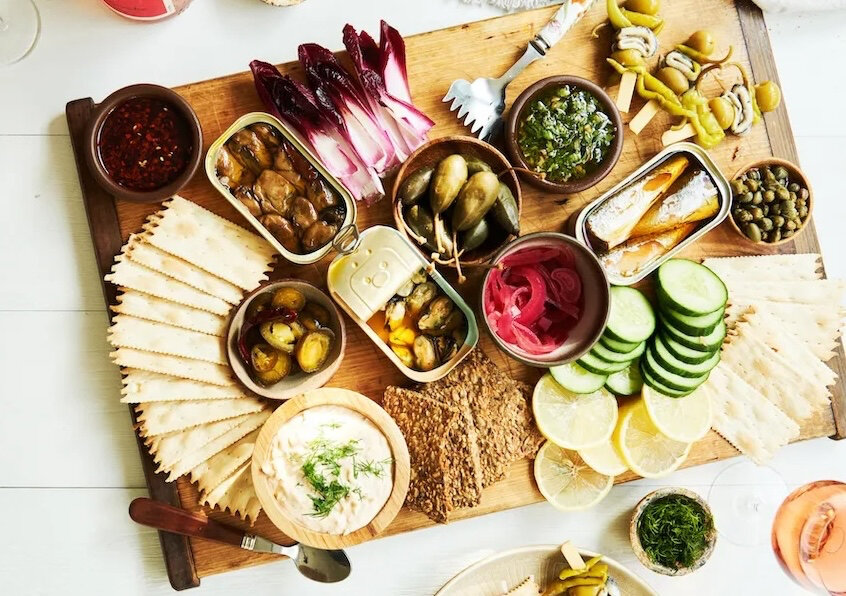
Seacuterie - seafood charcuterie board
- Affordability: canned seafood—especially fish—is one of the cheapest options in regards to protein intake. Sardines, tuna and mackerel can all be found for under $2 per can. When compared to fresh or frozen fish and seafood, canned equivalents can be half the cost.
- Convenience: canned seafood is incredibly painless to prepare - simply open the package and consume as is, or add directly to your dish. No cooking, marinading, thawing or deboning required.
- Nutritional Benefits: most canned fish are rich with nutrients such as protein, omega-3 fatty acids, vitamin D and B12, iron, and calcium. One of the reasons canned fish (especially sardines and tuna) went viral is due to its impact on skin health: omega-3s are proven to slow aging signs and minimize UV damage.
- Sustainability: these shelf-stable options use less energy as they don't require refrigeration, and have long shelf lives which reduces spoilage. According to the Global Seafood Alliance, the canning of small forage fish significantly reduces waste in the fish supply chain.
Conservas - A Brief History
Up until the end of the 18th century, fresh fish from the Iberian Peninsula was preserved in sea salt by Phoenicians, Greeks, Carthaginians, Romans, and Catalans.
In 1810, Frenchman Nicolas Appert developed the technique of heat sealing food in glass jars. A few months later in Great Britain, Peter Durand patented the preservation of food using tinplated cans. Armed with this knowledge, Pierre-Joseph Colin founded the first sardine cannery in Nantes in 1824.
In 1840, Spain opened its first canned preserves factory after a French sailboat wrecked off the Galician coast. This collaboration helped France become the first global exporter of canned food in 1855, when Great Britain bought a large stock of canned sardines in oil to supply its fleets.
Ramirez, the first commercial cannery in Portugal, opened in 1853 in Setúbal. In 1859, Vincenzo Florio began steam-cooking bluefin tuna canned in olive oil, which formed Europe's first industrial tuna canning factory near Sicily.
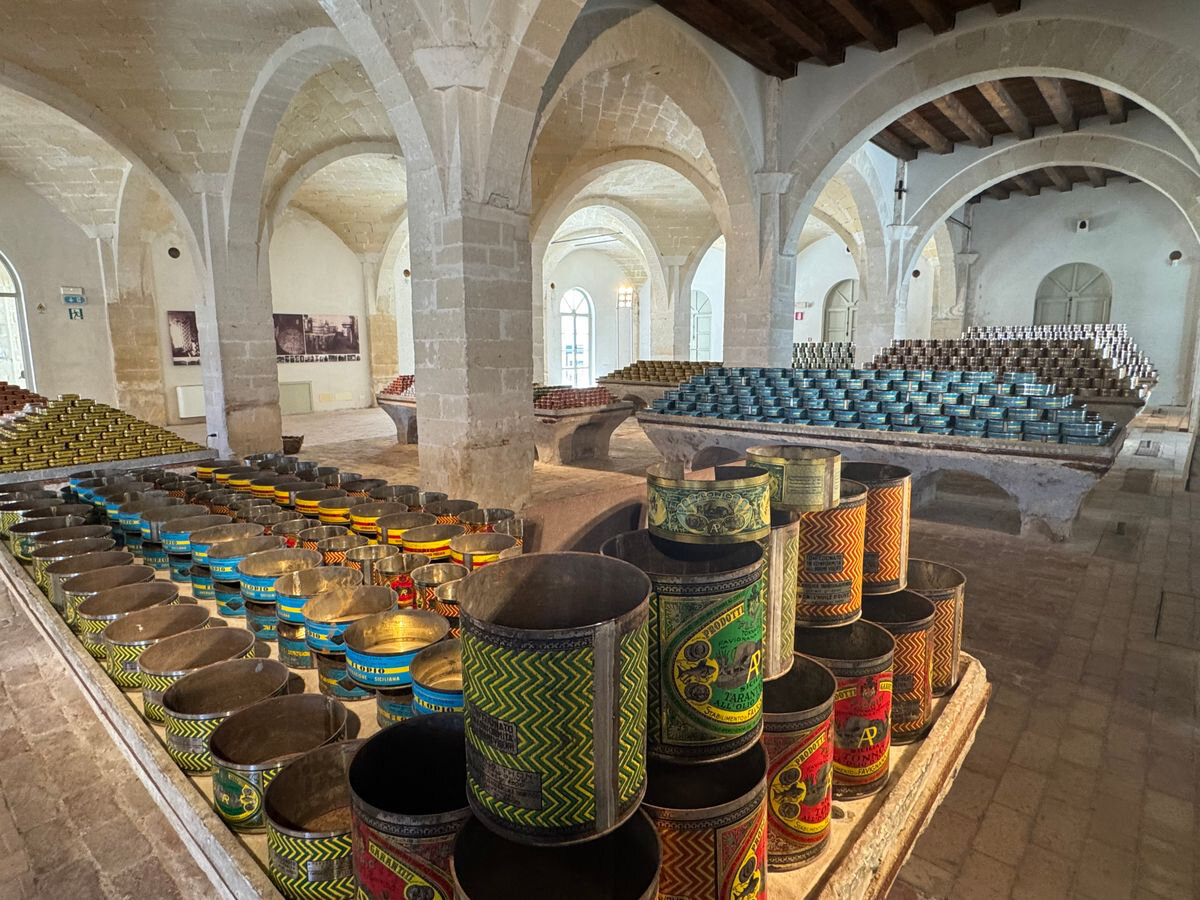
Original Florio tuna factory in Favignana
The early 1900s saw the rise of industrial can-sealing machines and global exports. In 1903, the Southern California Fish Company failed to receive their annual shipment of Pacific sardines due to its declining population. Owner Albert Halfhill substituted albacore tuna—steamed and canned in vegetable oil—which quickly took off due to its mild flavour, low cost, and especially its tagline: "Chicken of the Sea."
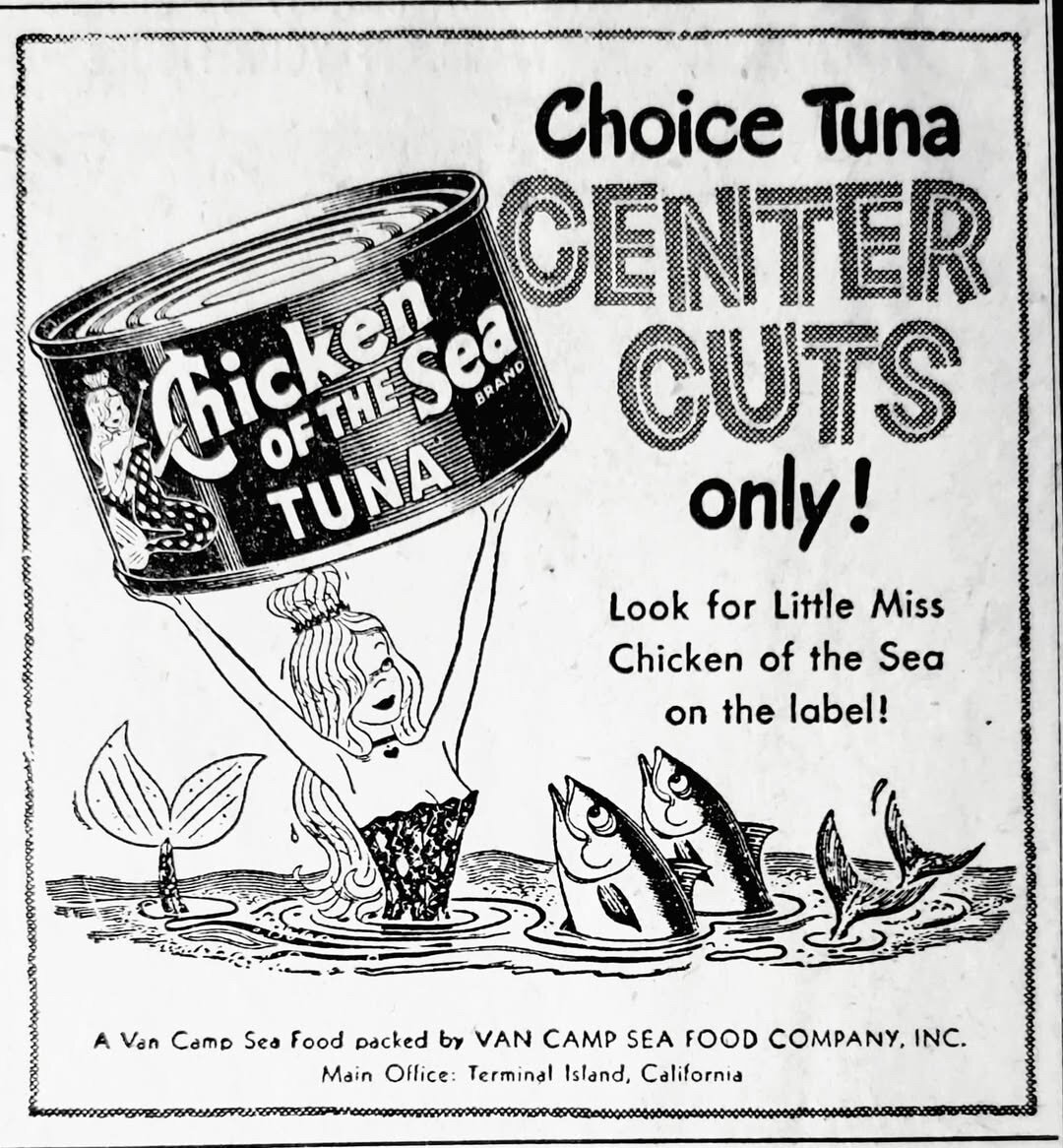
1953 ad for "Chicken of the Sea" tuna
Eventually, the American Civil War and both World Wars led to an explosion in production of canned fish as fuel for soldiers. By 1954, the USA became the world’s largest producer and consumer of canned tuna.
By the 1970s, the canned fish market quickly diminished due to freezing and refrigeration advances; the FDA's recall of 1 million tuna cans due to mercury; and boycotts to protect dolphins. Between 1999 and 2013, canned seafood sales in the US fell 30%.
Now in the 2020s, canned fish has experienced a new wave of popularity driven by social media. In the US, tinned fish sales increased from $2.3 billion in 2018 to $2.7 billion in 2023. Grocery stores are even having trouble keeping cans on the shelf! For example in the UK, Tesco's canned tuna sales has jumped nearly 20% since 2024. The canned fish industry is expected to reach a global value of $64 billion USD by 2032.
Tinned Seafood Types & Uses
Today's producers are offering an incredible variety of tinned seafood beyond simply tuna. Expand your palette by exploring the different options below.
Fish Varieties
- Tuna: most popular canned fish at $44 billion in global sales in 2024. Commonly packed in water, oil, brine, or flavoured.
- Skipjack & Yellowfin ("Light Tuna"): most popular option. Inexpensive varieties with a fishier taste and aroma, typically used for tuna salad, pasta dishes, and sandwiches.
- Albacore ("White Tuna"): premium option. Although slightly pricier, it has a mild flavour, firm meaty texture, vibrant white colour, and more nutrients. Use albacore for a less pronounced protein that pairs well with other ingredients.
- Tuna Belly (Ventresca): rarest option, typically produced in the Mediterranean. Expect to pay double over regular cans. Tuna belly is the softest most tender part of the fish, packed as whole fillets. Reserve for special dishes or tapas that require a fresh rich flavour.
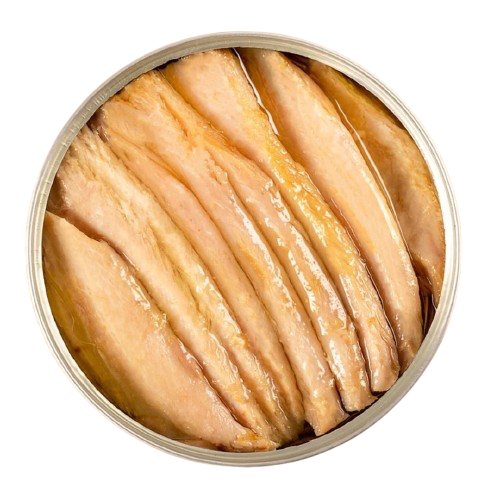
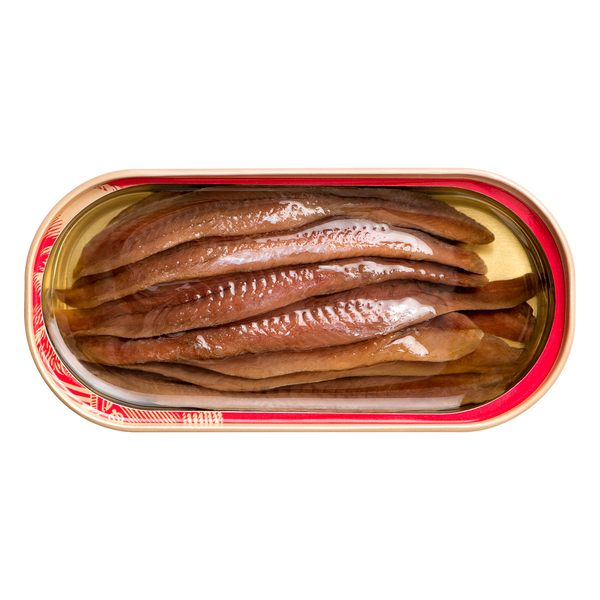
Canned tuna belly (ventresca) Canned anchovies
- Sardines: first fish to be commercially canned and traded globally. Low price point, packed with protein and omega-3s. Salty with a strong briny flavour, typically paired with toast or crackers.
- Mackerel: affordable option that's fattier than tuna with less aroma, and a milder, buttery taste compared to sardines and anchovies. Commonly eaten with crackers, toast, or rice.
- Anchovies: widely used in Mediterranean cuisine. Typically refrigerated in cans, jars or as a paste. They have a unique salty umami quality and disintegrate when cooked, hence they're used as a flavour enhancer in many dishes from salads to pizza and pasta.
- Herring (Kippers) & Sprats: very similar to sardines in taste, flavour, and aroma. Sprats are smaller and commonly smoked, while herring is larger and commonly marinated or smoked.
- Salmon, Trout, Cod, Hake & Seabass: although less popular than their fresh counterparts, these mild fish are cheaper and require no cooking time. Ideal component to a dish, such as dips, casseroles, or fish cakes. Look for smoked salmon and trout as great additions to a charcuterie board.
Mollusk Varieties
- Mussels: one of the most viral appetizer options. Canned mussels are equivalent to fresh in taste, are less chewy, and contains the same amount of protein and iron. Mussels absorb flavour very well, but smoked versions remain supreme as it mellows out the brininess.
- Oysters: mild "ocean" taste with a firmer texture than fresh, plus no shucking or cleaning. The smoked variety is the best seller, perfect directly out of the can with a little lemon and hot sauce.
- Clams, Cockles & Scallops: types of shellfish with strong umami added as a base to a dish such as pasta, chowder, or paella.
- Baby Clams: shucked and packed in its own brine. Common as a flavouring base due to its strong salinity.
- Razor Clams: sweet mild taste with low salinity and delicate texture. Typically in brine, smoked, or flavoured.
- Cockles: common Spanish conserva similar to clams yet slightly sweeter and more tender, however they are pricier due to dwindling supply.
- Scallops: best enjoyed fresh, however don't skip out on tinned Spanish versions packed in a Galician sauce made of tomato, garlic, onions and paprika.
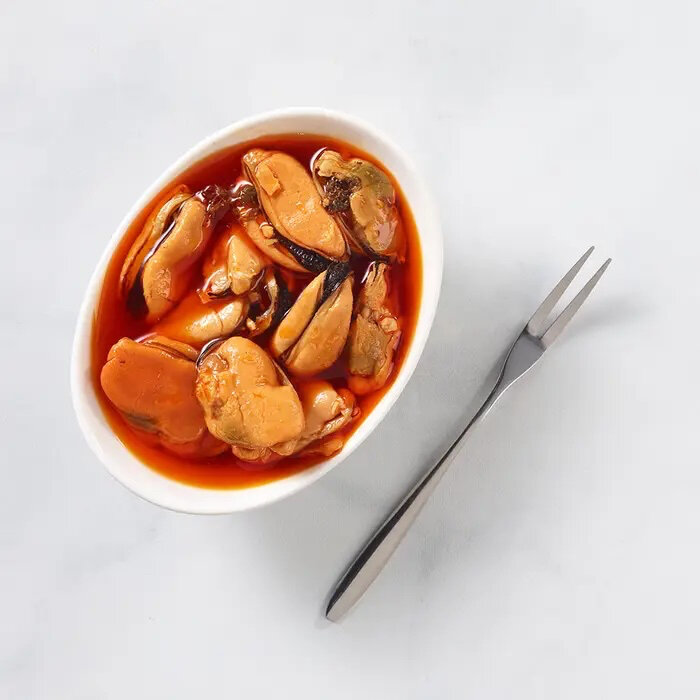
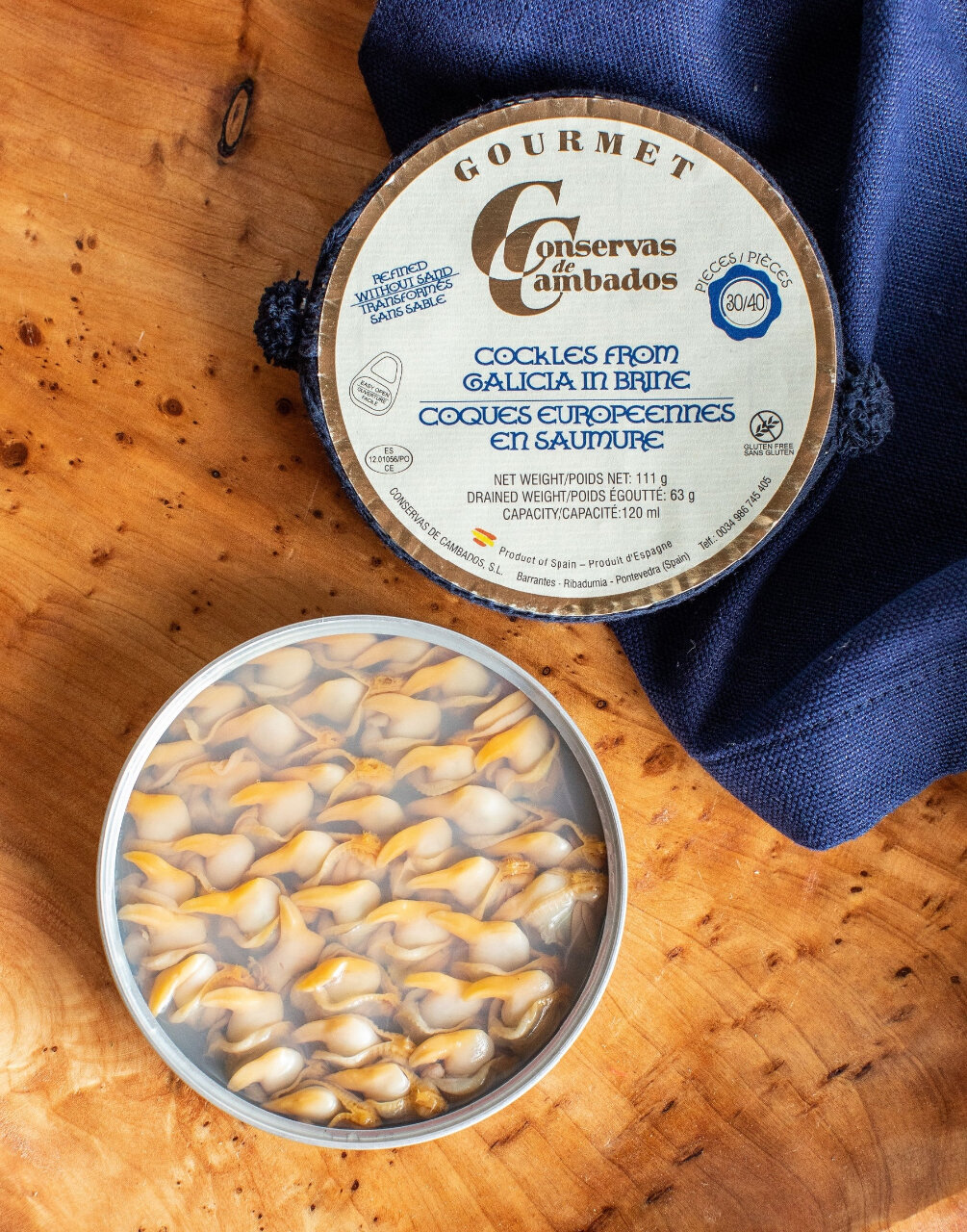
Canned Galician mussels Conservas de Cambados cockles
Cephalopod Varieties
- Squid: common in the Mediterranean, however Trade Joe's raised its stock in the USA with their viral "Calamari Pieces in Olive Oil." In Spain, baby squids (chipirones) are commonly preserved in "ink sauce" made from squid ink, oil, tomato, onion, and pepper. Portuguese brands offer stuffed squids typically filled with chopped tentacles, rice and vegetables.
- Octopus: not incredibly popular due to its elevated price tag and ethical concerns. Offers a rich sweet flavour with a tender, meaty texture that holds up when grilled. Octopus is generally canned with its tentacles and head, and is often flavoured since it easily soaks up oil and seasonings.
Crustacean Varieties
- Crab: popular option that's significantly cheaper than fresh, and comes fully cooked without having to break down the shell.
- Chunk, Flake, or Shredded: cheaper option, but be wary as many brands use fish as a filler which is essentially imitation crab. Best broken up into dishes such as crab cakes, dips, or bisques.
- Lump (body meat) or Claw: premium white or blue crab meat; may be refrigerated. Typically costs $15 to $20 for a half pound, well worth the vibrant and buttery meat. Reserve for upscale recipes where the protein shines, such as crab imperial, crab cocktail, or crab louie.
- Lobster: one of the most expensive and hard to find options. Although it doesn't hold up to its fresh or even frozen equivalents, canned is more affordable per pound of usable meat (mix of claw, knuckle, and tail). Atlantic lobster are the most tender with a unique sweetness. Works best as part of a meal, such as ravioli, salads, or bisque.
- Shrimp: less popular and appealing compared to its already cost-effective fresh and frozen relatives. "Tiny" or "cocktail" shrimp are preserved in brine, which should be rinsed prior to using. Consider this option when you only need a few pieces throughout the dish, such as shrimp salad, ramen, or shrimp dip.
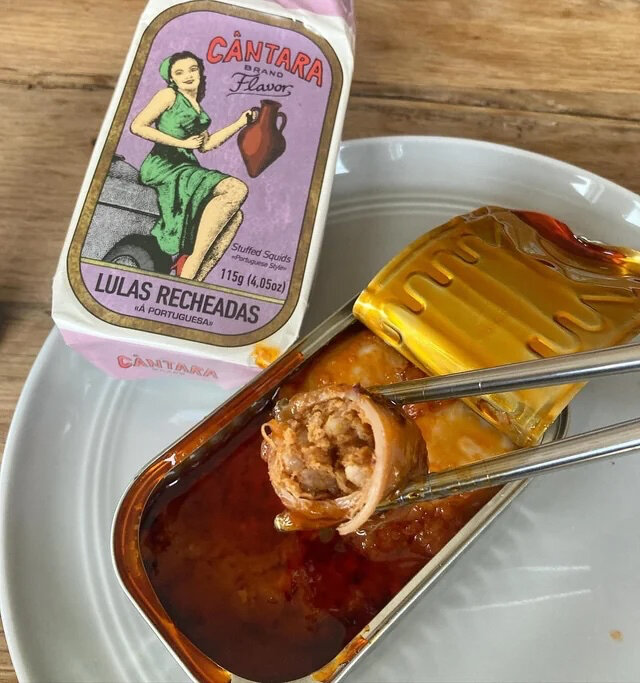
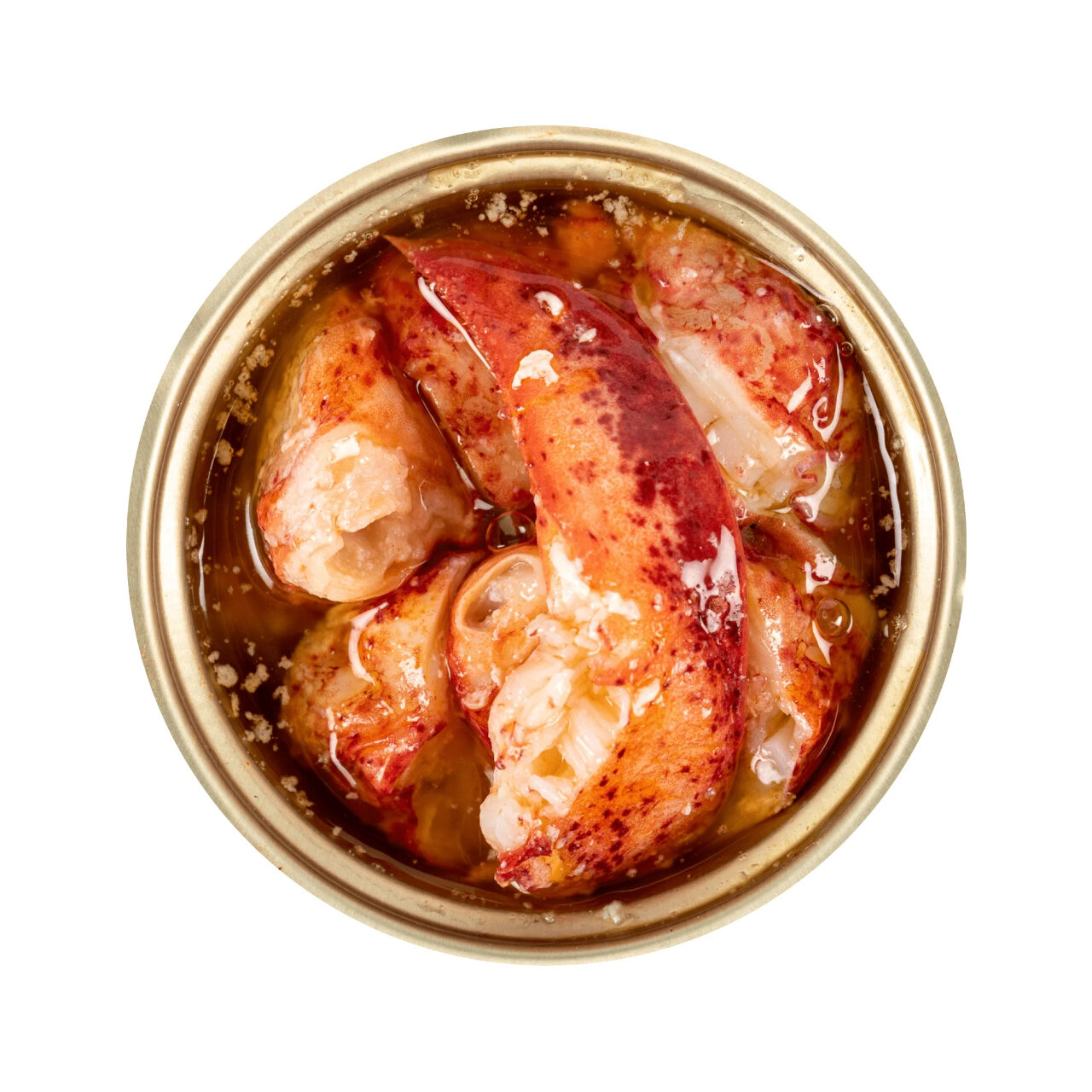
Cantara stuffed squid Scout canned PEI lobster
You may find other unique artisinal options, especially from Spanish and Portuguese producers, such as: garfish (needlefish), cuttlefish, eels, barnacles, sea snails (whelk, abalone), and even various types of roe (fish eggs).
Best Canned Seafood Brands
Tinned fish and seafood has long expanded from its Mediterranean roots, with regions as varied as Scandinavia, Southeast Asia, and even North America producing competitive offerings.
North American Brands
- Wild Canadian Seafood Co: new Canadian brand sourcing wild-caught East Coast fish, full of natural flavour and quality ingredients. Offers sardines, herring and salmon.
- Wild Planet: US brand producing sustainable and ethical canned fish since 2004. Costs a few dollars more than other popular brands, as they use whole solid fillets with minimal processing and seasoning. Products include tuna, mackerel, salmon, sardines, anchovies, and yellowtail.
- Fishwife: woman-led Los Angeles-based company founded in 2020, offering premium seafood produced by micro canneries across the globe. One of the brands that kick-started the tinned fish trend across social media, due to their artsy packaging and clever marketing. Fishwife offers tuna, salmon, sardines, trout, mackerel, anchovies, mussels; even caviar.
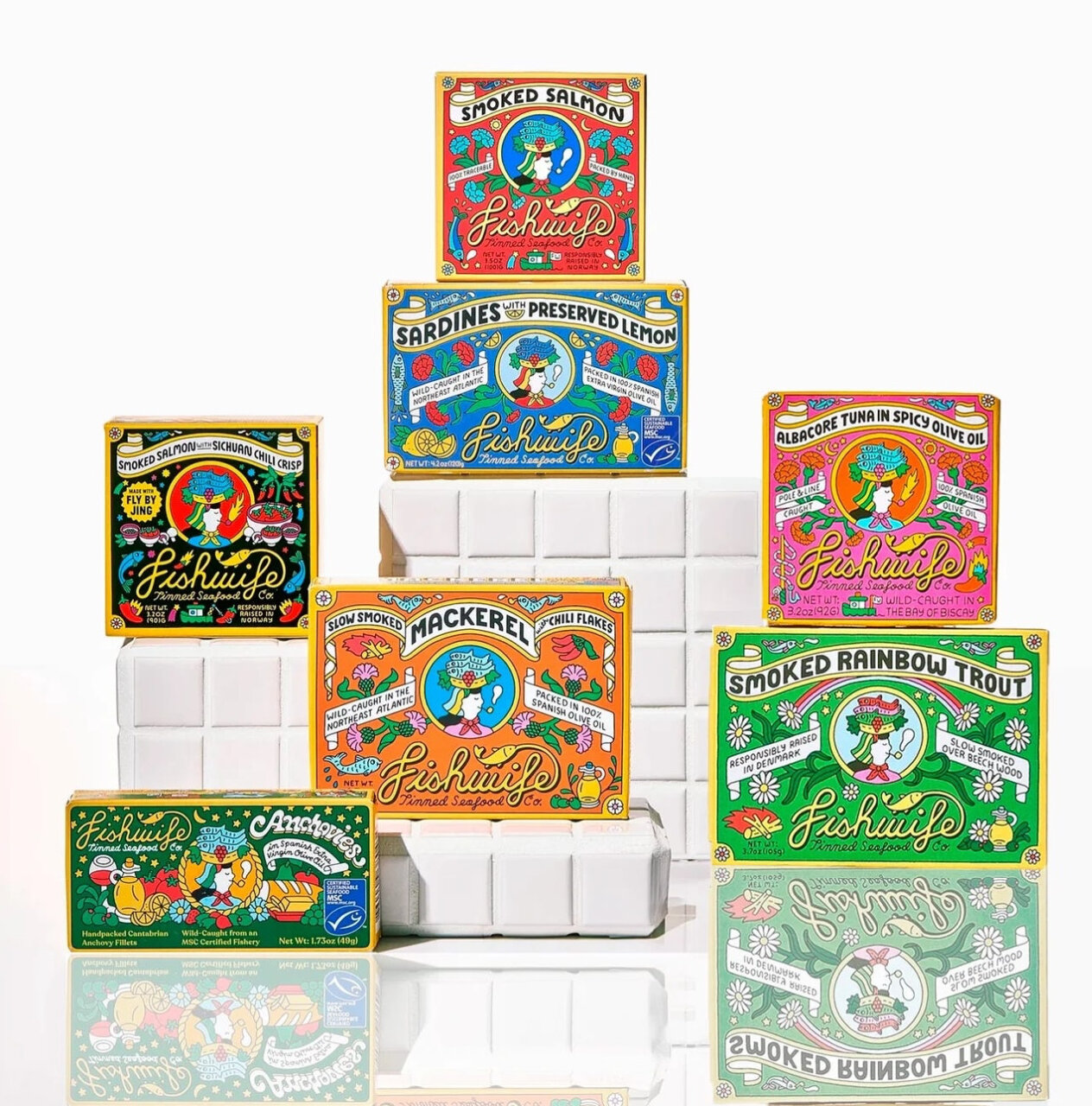
Fishwife's product assortment
Spanish Brands
- Conservas de Cambados: established by merchant José Luis Alfonso in 1985 to preserve fresh seafood from Ría de Arousa on the Galician coast; still packed by hand today. Their artisinal packaging is instantly recognizable, inspired by Galician seafood nets. Almost 15 varieties of traditional Spanish conservas ranging from octopus, razor clams, garfish, to eels.
- La Narval: family-owned premium conservas company founded in 1966, also operating in Ría de Arousa. Their packaging was recently refined with a colourful minimalistic design, while all of their sauces come from family recipes using local ingredients, such as escabeche, vieira and ink. Offers over 10 selections including scallops, tuna belly, and cockles.
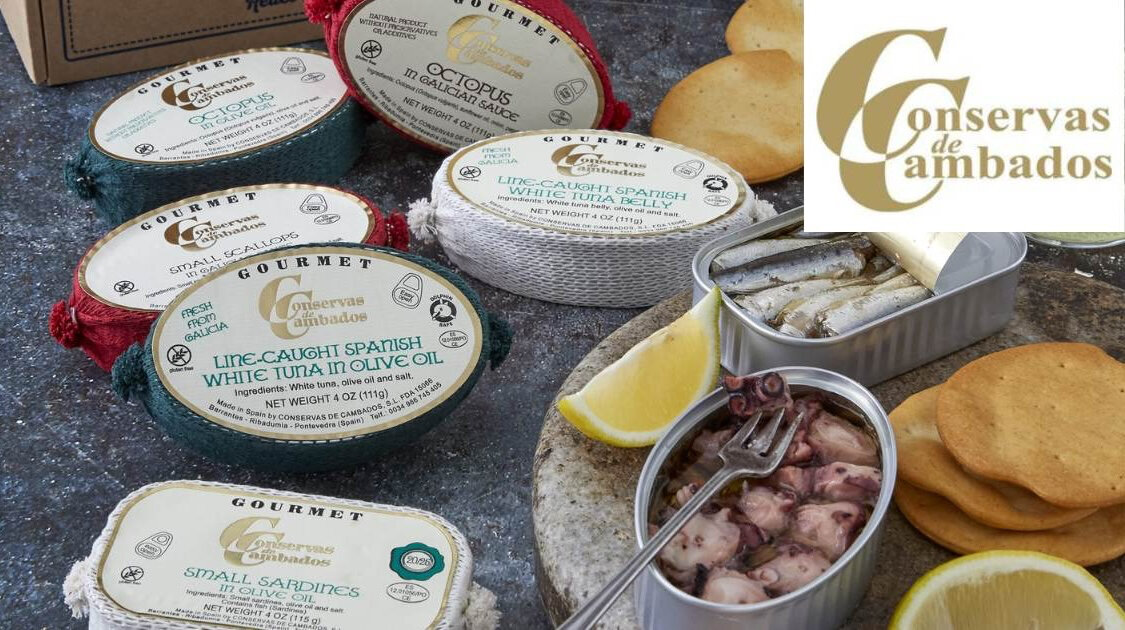
Conservas de Cambados products
Portuguese Brands
- Ramirez: world's oldest continually operating seafood cannery; first ever in Portugal. Founded in 1853 by Sebastian Ramirez near Porto; remains family-owned by the fifth generation. Found in over 50 countries and produces almost 60 varieties of canned seafood, but their specialty remains fish.
- NURI: traditional artisinal cannery built in 1920 in Matosinhos, specializing in premium canned sardines and mackerel. Uses high quality Atlantic fish and fresh ingredients, hence they start at $10 per can. The fish is hand-selected and canned using a 12-step process by an all-women team.
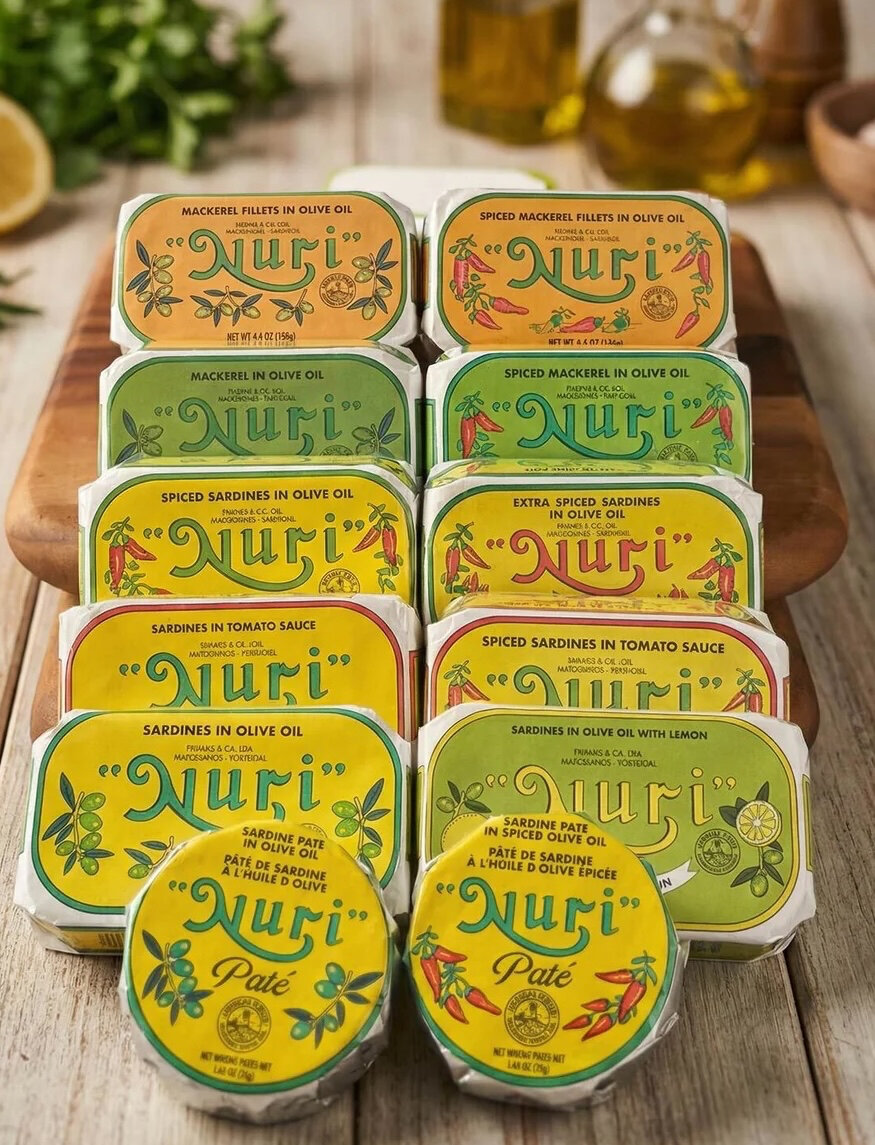
Nuri's product assortment
Italian Brands
- Rio Mare: most popular canned fish brand in Italy and across Europe, available in over 60 countries. Their plant in Cermenate is Europe's largest and most technologically advanced tuna production facility. Tuna and salmon have been their core products since 1965, offering a unique salinity and distinct pink hue that remains after canning.
- Rizzoli: Italy's oldest operating seafood preserves company since 1906. Filed the first patent for tear-off cans in 1913. Known for their "Anchovy Fillets in Spiced Sauce" packed in its iconic gold tin. All fish is manually processed within a few hours of catching in Piedmont, including anchovies, tuna, mackerel, and sardines.
- Callipo: established by Giacinto Callipo in Calabria in 1913; one of the first Italian companies to tin Mediterranean tuna that remains family-owned by the fifth generation. One of the pioneers in re-launching tuna fillets in glass jars, while expanding to anchovies, mackerel, cod, and salmon.
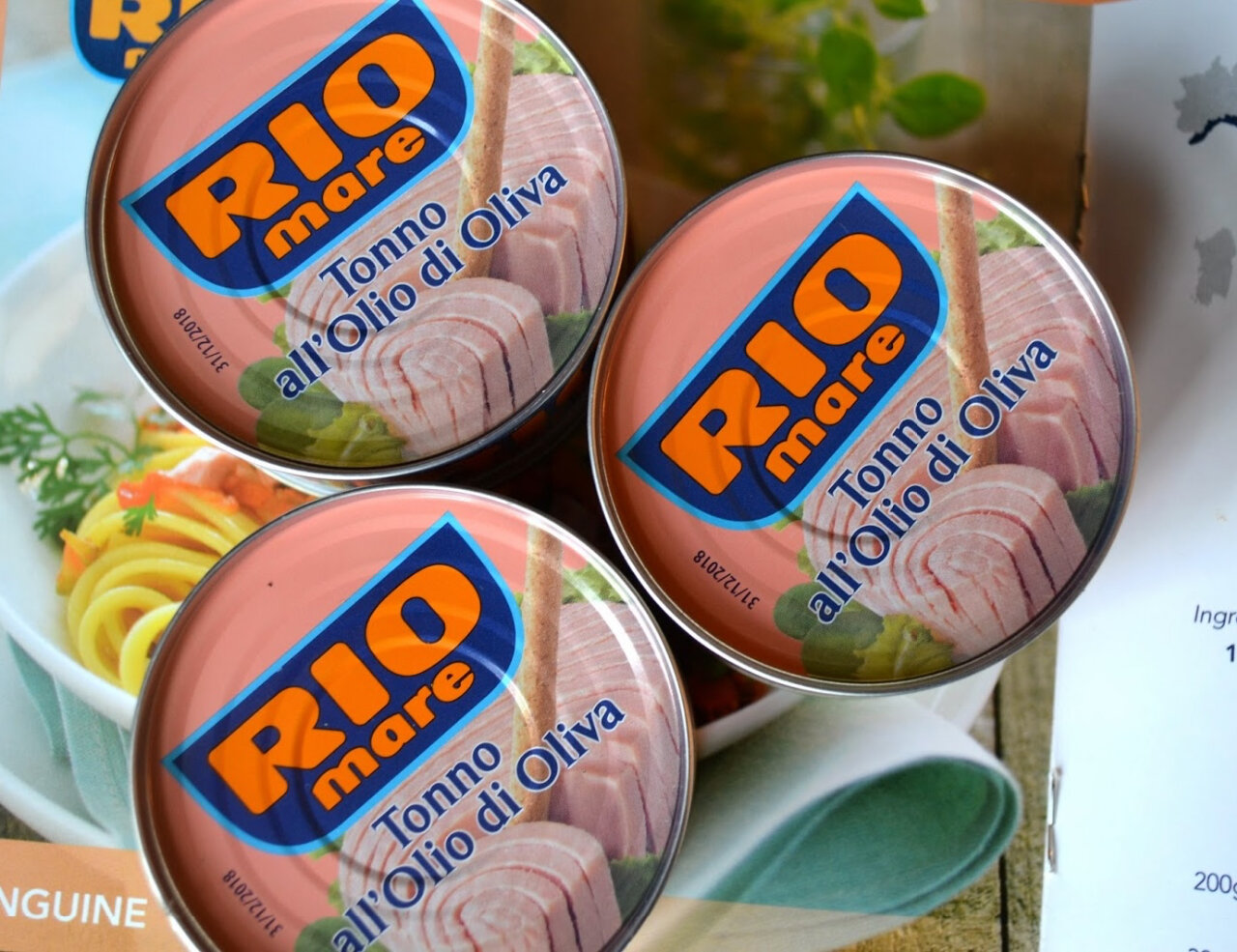
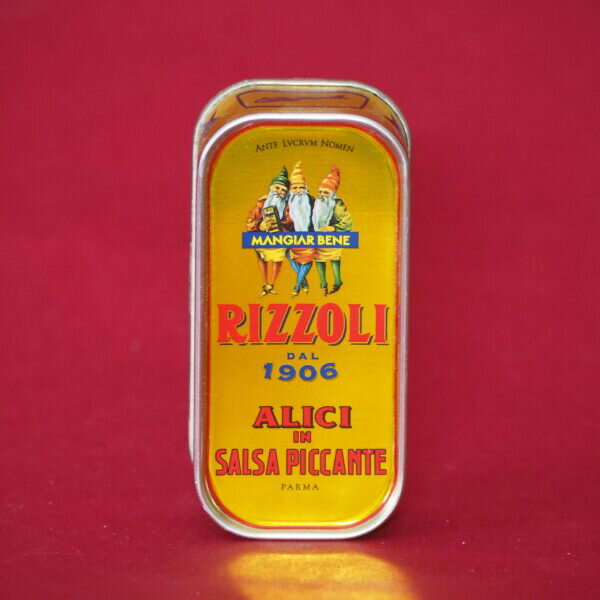
Rio Mare canned tuna Rizzoli anchovy fillets in spicy sauce
Greek & French Brands
- Trata: historic Greek company started in 1910 by the Tzika family in Thessaloniki. Built the first robotic production line for canned fish. Almost 100 years later, the brand has reconstructed its image and launched TunaPocket as an on-the-go option, while continuing its range of canned fish and octopus.
- La Belle Iloise: built as a fish cannery in 1932 in the Quiberon ports in Brittany, France. Georges Hilliet created the company and its early artistic packaging, while being one of the first to sell cans directly to households at factory prices. Expanded to a network of almost 100 shops in France, while producing unique flavours of tuna, sardines, mackerel, salmon, and mussels.
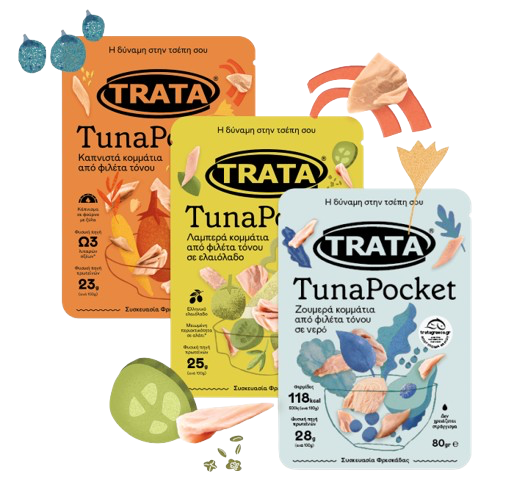
Trata "TunaPocket" offerings
Scandinavian Brands
- King Oscar: originally established in Norway in 1873 as the Stavanger Preserving Company. In 1902, the company received permission from King Oscar II to use his name and portrait on a sardine label, and the rest is history. King Oscar launched in Canada in 2021 with sardines, mackerel, herring and salmon; all sustainably wild-caught in the North Atlantic Ocean.
Shop Tinned Seafood at Vincenzo's
At Vincenzo's, our local Italian grocery store in Waterloo, Ontario, we carry a wide selection of canned fish and seafood:
Canned Seafood Product Lines
- Fish: Anchovies (canned, marinaded, paste, sauce), Cod (liver, spread), Herring (canned, marinaded), Mackerel, Salmon (canned, smoked, pate, paste), Sardines, Sprats, Trout (pate), Tuna (skipjack, yellowfin, albacore, ventresca, spread, pate)
- Mollusk: Clams (baby, razor), Mussels, Oysters, Sea Snails (whelks)
- Cephalopod: Octopus, Squid
- Crustacean: Crab (leg, claw, pate, paste), Lobster (pate), Shrimp
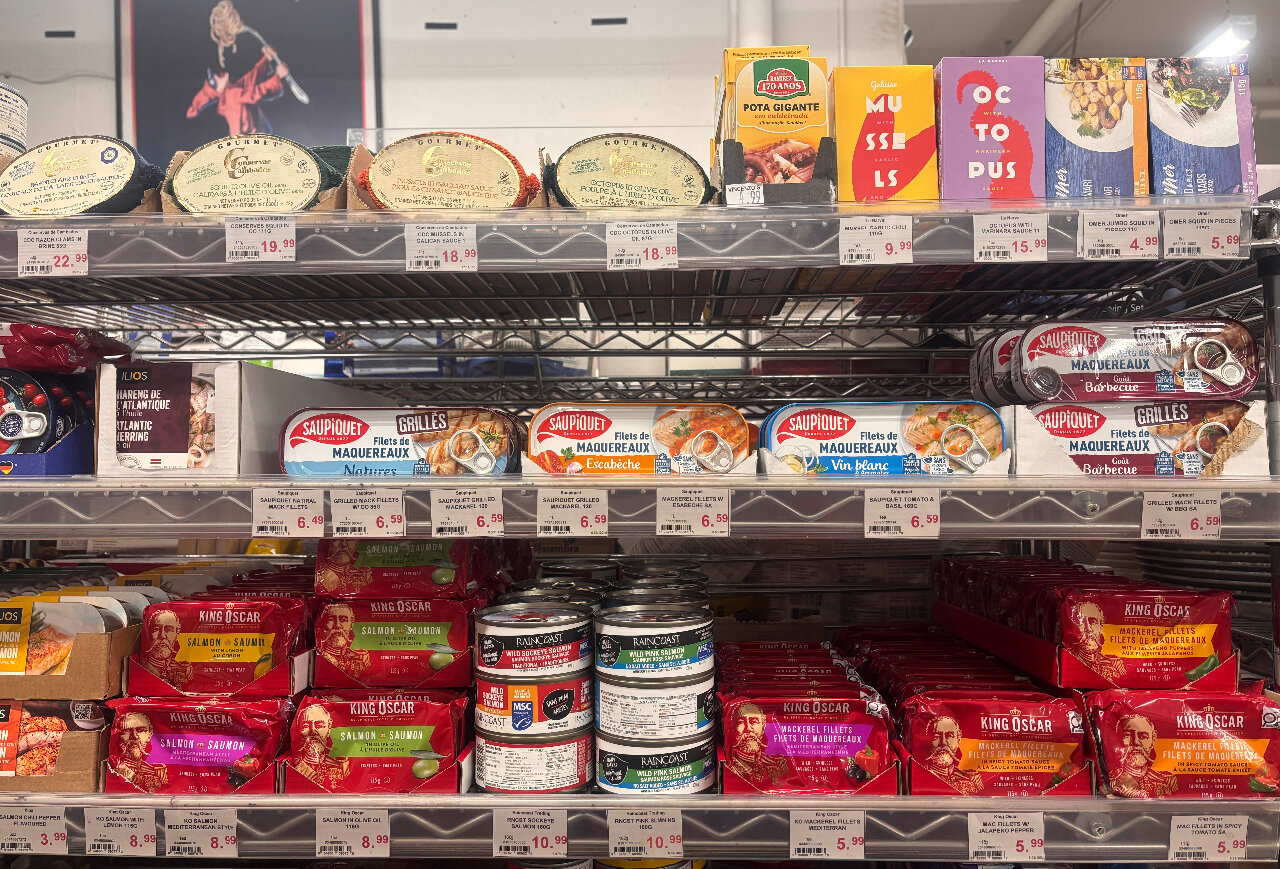
Canned Seafood Brands
- North America: Bar Harbor Foods, Clover Leaf, Feature Foods, Phillips Foods, Raincoast Trading, SeaChange Seafoods, Wild Canadian Seafood Co
- Spain: Conservas de Cambados, La Narval
- Portugal: Bom Petisco, Ramirez, Santa Catarina
- Italy: Agostino Recca, Callipo, Delicius, IASA, Rio Mare, Rizzoli
- France: L'Atelier du Cuisinier, Petit Navire, Saupiquet
- Scandinavia: Abba Seafood, Kalles, King Oscar
- Other: Appel (DE), Princes (UK), Riga Gold (LV), Tonnino (CR), Trata (GR)
... and more!
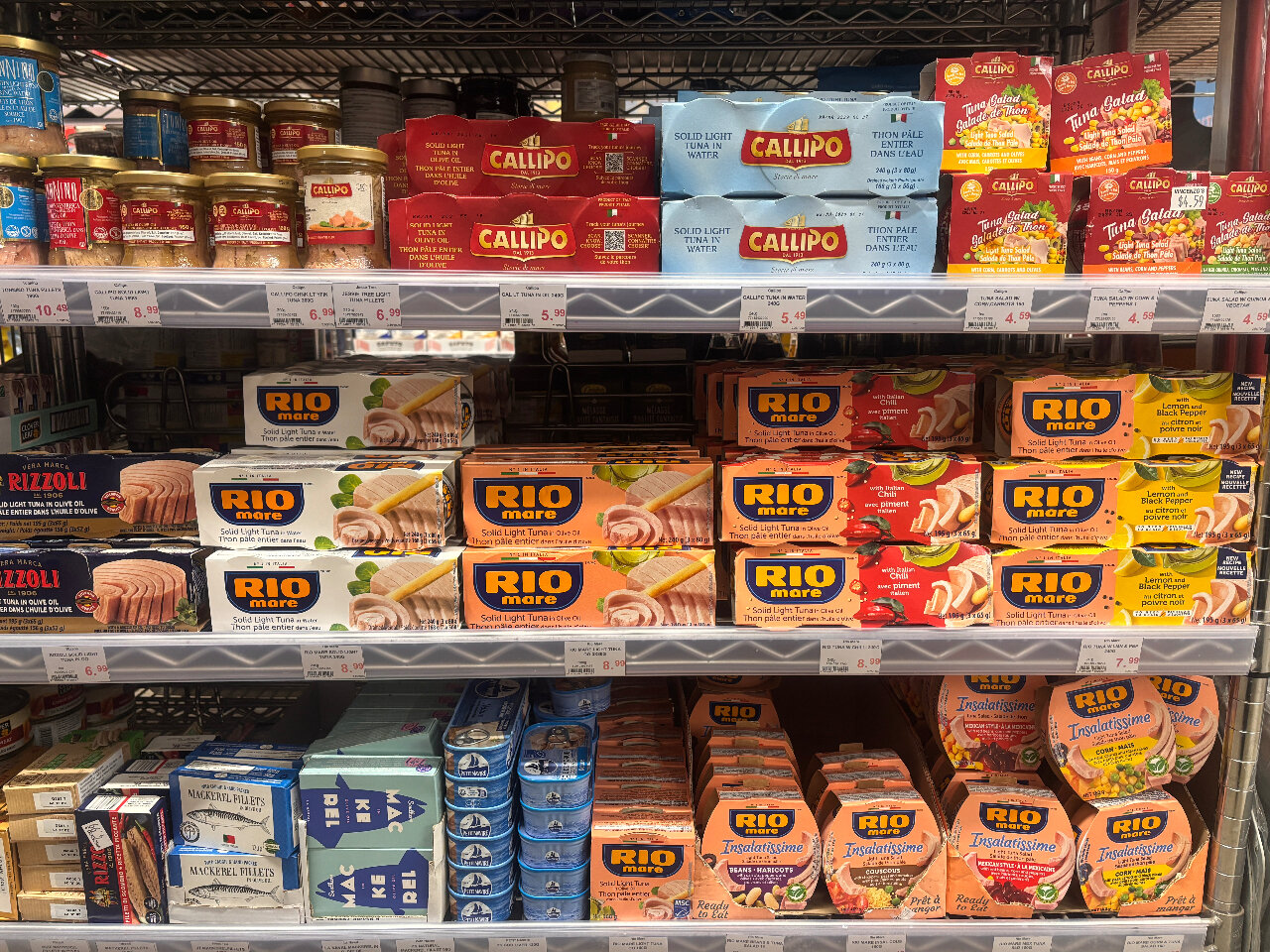
Please visit us in-store to browse our entire selection. If you would prefer to window shop or order online, we have a small selection available for delivery or pickup.
Shop Canned Seafood
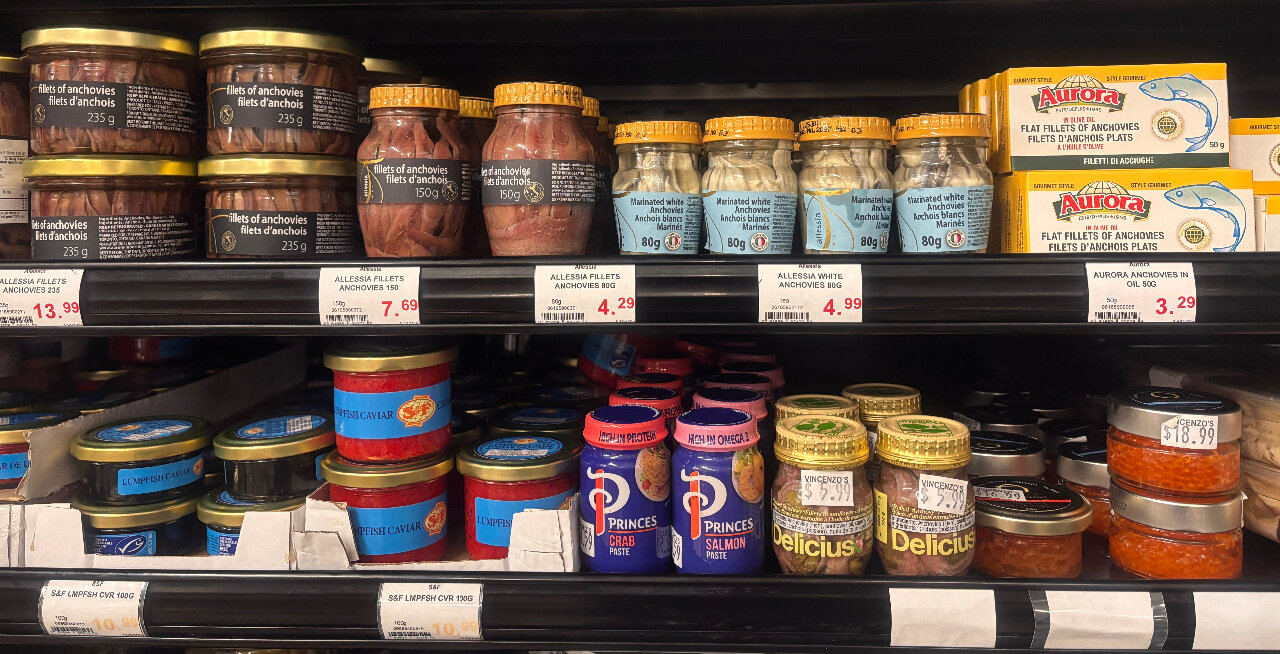
If the canned versions aren't for you, we also stock a range of fresh and frozen seafood through our partner Caudle's Catch. We also carry fish pates, spreads and pastes, dips, roe, and even caviar. Plus, we have all the best ingredients for you to make the perfect "Seacuterie" - from a wide selection of olives, fresh and pickled vegetables, crackers, homemade spreads, cocktail sauce, to artisan cheese. We can't wait to serve you!